

Are you looking for a more sustainable and comfy alternative to cotton hoodies? Eco-friendly clothing is getting more popular, and it’s for a good reason. Switching to eco-friendly clothes can really help the planet.
Bamboo fabric is special because it’s soft, durable, and breathable. It needs less water and pesticides to grow than cotton. This makes bamboo a greener choice.
We’re moving towards a greener lifestyle, and picking the right clothes is key. Bamboo fabric offers many benefits, making it a great choice for those wanting to make a difference.
Key Takeaways
- Softness and durability of bamboo fabric
- Breathability and comfort of sustainable hoodies
- Eco-friendly properties of bamboo clothing
- Reduced environmental impact with bamboo
- Increased sustainability with eco-friendly choices
Advantages of Bamboo Fabric
Bamboo fabric is known for its comfort and sustainability. It’s a top pick for those who care about their health and the planet.
Softness and Comfort
Bamboo fibers are naturally smooth and round. This makes bamboo clothing gentle on the skin. It’s perfect for people with sensitive skin.
The softness of bamboo fabric is like cashmere or silk. It’s a luxury for everyday wear. Bamboo clothing feels great against the skin, without any irritation.
Key benefits of bamboo fabric’s softness include:
- Gentle on the skin
- Ideal for sensitive skin
- Luxurious feel
Breathability and Moisture-Wicking
Bamboo fabric is known for being breathable and moisture-wicking. It keeps you dry and comfy, even when you’re active or it’s hot outside.
Its breathability comes from its natural fibers. These fibers allow for great airflow. Bamboo clothing helps keep your body temperature just right, whether it’s summer or winter.
Advantages of bamboo fabric’s breathability include:
- Enhanced comfort during physical activities
- Regulation of body temperature
- Moisture-wicking properties
Hypoallergenic Properties
Bamboo fabric is naturally hypoallergenic. It resists dust mites and other allergens. This makes bamboo clothing great for people with allergies or skin conditions.
Its hypoallergenic nature, combined with softness and breathability, makes bamboo fabric perfect for many types of clothing. It’s great for casual wear and activewear alike.
In summary, bamboo fabric offers a unique combination of comfort, sustainability, and performance. It’s a top choice for eco-friendly, high-quality clothing.
Comparing Bamboo to Cotton
Exploring bamboo hoodies shows us how they stack up against cotton. Bamboo is a top pick for eco-friendly fashion, beating out traditional cotton.
Durability and Longevity
Bamboo fabric is incredibly durable and holds up well over time. It doesn’t shrink like cotton does, keeping its shape wash after wash. This means bamboo hoodies can last longer, saving you money in the long run.
Environmental Impact
Bamboo is better for the planet than cotton. It needs less water and pesticides to grow. Plus, bamboo grows faster per acre, cutting down on environmental harm. Choosing bamboo hoodies helps lower your carbon footprint.
Comfort and Feel
Bamboo fabric is softer and more breathable than cotton. It wicks away moisture, keeping you cool in summer and warm in winter. Bamboo hoodies are great for any climate or activity.
Looking at bamboo and cotton, bamboo wins in many areas. It’s more durable, eco-friendly, and comfortable. Switching to bamboo hoodies benefits both you and the planet.
Sustainability of Bamboo Hoodies
Bamboo hoodies are a big deal in sustainable fashion. Bamboo is a renewable resource that’s good for the planet. It’s a great choice for clothes because of its many benefits.
Growth Cycle and Resource Use
Bamboo grows really fast, sometimes up to 3 feet a day. This means it can be harvested in just 3-5 years. Traditional wood pulp fibers take decades to grow.
Bamboo also needs very little water and no pesticides. This makes it better for the environment.
Biodegradability
Bamboo hoodies are biodegradable. This means they can break down in a few years, unlike synthetic materials that take centuries. This helps reduce waste and the fashion industry’s impact.
Carbon Footprint Reduction
Bamboo is great at absorbing carbon dioxide and making oxygen. Wearing bamboo hoodies supports sustainable farming and helps reduce our carbon footprint.
Let’s compare bamboo to other materials:
| Material | Growth Cycle | Water Requirements | Biodegradability |
|---|---|---|---|
| Bamboo | 3-5 years | Low | High |
| Cotton | 6-8 months (but requires more water) | High | Moderate |
| Polyester | N/A (synthetic) | N/A | Low |
Choosing sustainable hoodies made from bamboo is a smart move. They’re eco-friendly and comfy. Bamboo fabric is soft, breathable, and good for those with allergies. It’s perfect for a sustainable lifestyle.
Drawbacks of Bamboo Hoodies
Bamboo hoodies have many benefits, but they also have some downsides. It’s important to know the challenges they come with.
Price Range Comparison
Bamboo hoodies are pricier than cotton ones. The cost is higher because of the complex bamboo fabric process.
| Material | Average Price Range |
|---|---|
| Bamboo Hoodies | $60-$120 |
| Cotton Hoodies | $30-$80 |
The price can be a big reason some people don’t choose bamboo hoodies, even though they’re sustainable.
Care and Maintenance Needs
Bamboo hoodies need special care to last long. Wash them in cold water and dry on a low setting. This is more work than for cotton hoodies.
- Wash in cold water
- Dry on low heat or air dry
- Avoid using fabric softeners or bleach
By following these steps, your bamboo hoodie will stay soft and comfy.
Availability and Accessibility
Bamboo hoodies are not as common as cotton or synthetic ones. They’re mostly found in stores or online that sell eco-friendly items. This makes it tough for some to find and buy bamboo hoodies.
But, as more people want green clothes, we’ll see more bamboo options in stores.
Bamboo Hoodies vs. Other Materials
Bamboo hoodies are becoming more popular. But how do they compare to other materials? Let’s look at bamboo’s benefits and drawbacks compared to common materials.
Softness and Sustainability: Bamboo vs. Cotton
Cotton is a favorite for hoodies because it’s soft and breathable. But bamboo beats cotton in many ways. Bamboo fabric is softer and lasts longer than cotton. It also needs less water and pesticides, making it better for the planet.
- Bamboo is more breathable and wicks moisture better than cotton.
- Cotton can shrink and lose its shape, but bamboo keeps its form.
- Bamboo is good for sensitive skin because it’s naturally hypoallergenic.
Bamboo vs. Polyester: The Eco-Friendliness Factor
Polyester is used in clothes because it’s durable and cheap. But it harms the environment a lot. Bamboo, on the other hand, is a renewable resource that’s good for the planet.
- Polyester causes microplastic pollution, but bamboo is natural and biodegradable.
- Bamboo makes less greenhouse gas emissions than polyester.
- Bamboo fabric is comfy and breathable, unlike polyester.
Bamboo vs. Wood Fibers: A Comparison of Sustainable Materials
Wood fibers, like lyocell or modal, are also eco-friendly. But bamboo has big advantages over them. Bamboo grows faster and needs less land and water than wood.
| Material | Renewability | Water Usage | Biodegradability |
|---|---|---|---|
| Bamboo | High | Low | Yes |
| Wood Fibers | Medium | Medium | Yes |
| Cotton | Low | High | Yes |
| Polyester | Low | Low | No |
In conclusion, bamboo is a top choice for its sustainability, softness, and eco-friendliness. Choosing bamboo hoodies is a big step towards a greener lifestyle.
Popular Bamboo Hoodie Brands
More people are choosing sustainable fashion, leading to the rise of bamboo hoodie brands. These brands offer quality, comfort, and aim to lessen environmental harm.
Tentree
Tentree is a big name in sustainability. They plant ten trees for every item sold, having planted over 50 million trees so far. Their bamboo hoodies are soft, breathable, and kind to your skin.
Tentree’s Key Features:
- Eco-friendly materials
- Tree-planting initiative
- Soft and breathable bamboo fabric
Tasc Performance
Tasc Performance is a leader in sustainable fashion. Their bamboo hoodies are designed for both performance and comfort. They use bamboo fabric that keeps you cool and dry.
Tasc Performance’s Key Features:
- Moisture-wicking bamboo fabric
- Temperature regulation
- Durable and long-lasting
Boody
Boody focuses on creating comfy, eco-friendly clothes. Their bamboo hoodies mix bamboo with other sustainable materials for a cozy fit.
Boody’s Key Features:
- Sustainable material blend
- Soft and comfortable fit
- Eco-friendly production processes
Let’s compare these top bamboo hoodie brands:
| Brand | Key Features | Sustainability Initiatives |
|---|---|---|
| Tentree | Soft, breathable bamboo fabric | Plants 10 trees for every item sold |
| Tasc Performance | Moisture-wicking, temperature regulation | Uses eco-friendly materials and production methods |
| Boody | Soft, comfortable fit, sustainable materials | Eco-friendly production processes |
Pros and Cons of Bamboo Hoodies
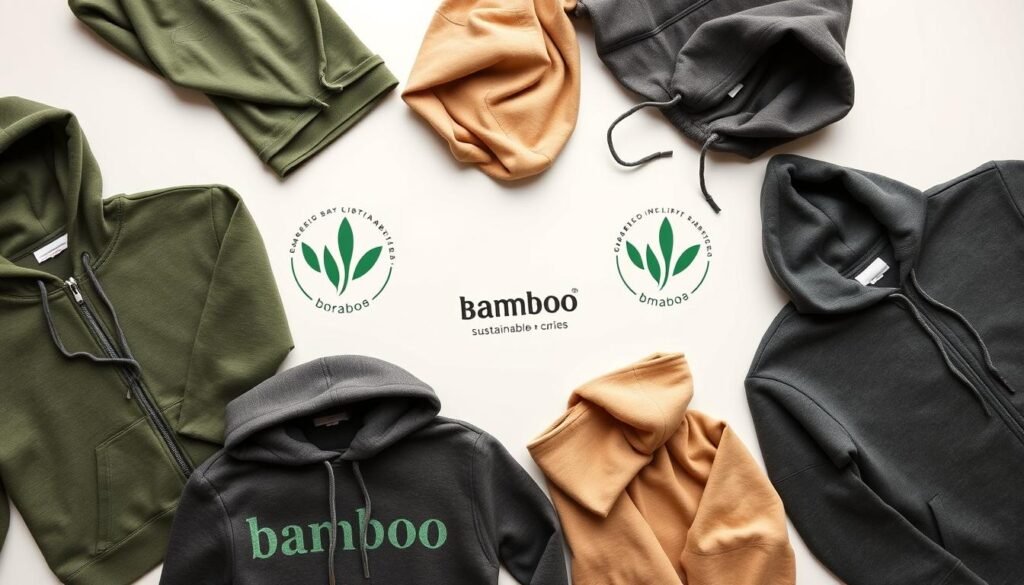
Understanding the good and bad points of bamboo hoodies is key to making a smart choice. They are known for being eco-friendly and comfy. Yet, like any product, they have both upsides and downsides.
Pros
Bamboo hoodies have many benefits that make them popular. Here are some of the main advantages:
- Softness and Comfort: Bamboo fabric is very soft, making bamboo hoodies super comfy to wear.
- Sustainability: Bamboo grows fast and needs little water, making it a green choice.
- Breathability and Moisture-Wicking: Bamboo fabric breathes well and wicks moisture, keeping you dry and comfy.
- Hypoallergenic Properties: Bamboo is good for sensitive skin, making it a great pick for those with allergies.
- Durability: Bamboo hoodies last longer than many other materials, making them a solid investment.
Cons
Despite their many benefits, bamboo hoodies also have some downsides:
- Higher Cost: Bamboo hoodies are pricier than those made from common materials.
- Special Care Requirements: Bamboo fabric needs special care, like cold water washing and no machine drying.
- Limited Availability: Finding bamboo hoodies might be tough, depending on where you live.
- Variability in Quality: The quality of bamboo hoodies can differ a lot between brands and products.
In summary, bamboo hoodies have lots of pluses like comfort, greenness, and lasting quality. But, they also have some minuses like being pricier and needing special care. By looking at both sides, you can choose what’s best for you.
Price Ranges and Value
The cost of bamboo hoodies varies a lot. This is because of things like brand, quality, and how they’re made. Knowing the price ranges and value helps you make a smart choice.
There are many prices for bamboo hoodies. This is because of different materials, making methods, and brand names.
Affordable Options
If you’re looking to save money, there are affordable bamboo hoodies. They cost between $20 to $50. These are made by brands that keep costs low but don’t skimp on quality. Look for softness, durability, and eco-friendly making in these hoodies.
Mid-Range Choices
Mid-range bamboo hoodies cost between $50 to $100. They offer good quality at a fair price. These hoodies often have extra features like better breathability and stylish designs.
Premium Selections
Premium bamboo hoodies cost $100 or more. They have top-notch quality, eco-friendly materials, and careful making. Brands that offer these focus on sustainability, unique designs, and comfort. Look for organic bamboo, regenerative making, and luxury finishes in premium hoodies.
When thinking about the value of a bamboo hoodie, look beyond the price. Consider its durability, comfort, and how it’s good for the planet. Choosing a hoodie that fits your values and needs means you get a great, sustainable piece for your wardrobe.
FAQs About Bamboo Hoodies
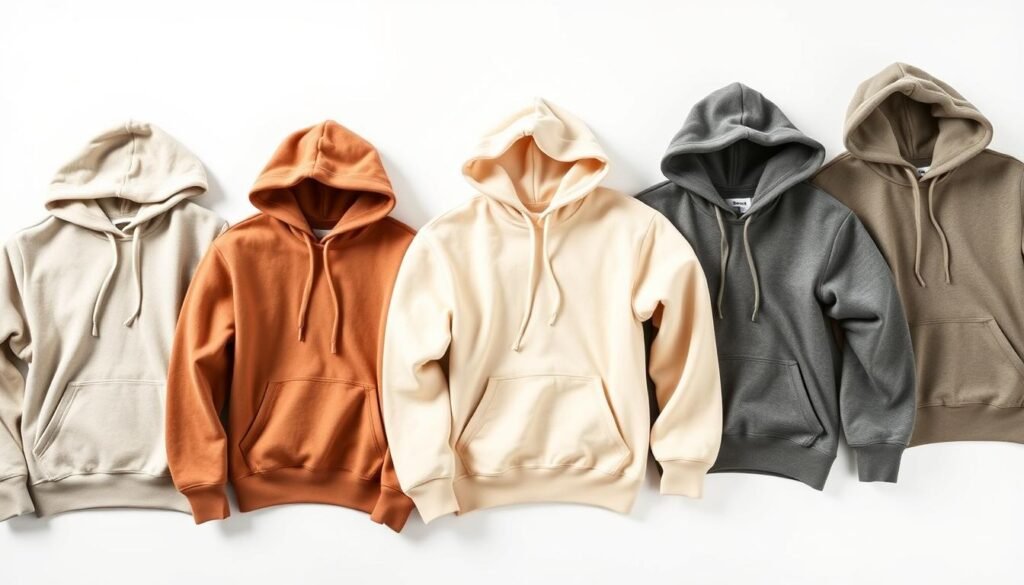
Bamboo hoodies are becoming more popular, leading to many questions. People want to know about their value, care, and how they help the environment. We’ll answer some common questions to help you make smart choices.
Investment Worthiness
Bamboo hoodies are a good investment because they last long and are good for the planet. They might cost more than cotton, but their durability and eco-friendliness make them worth it.
Care Instructions
To keep your bamboo hoodie in top shape, gentle care is key. Wash it in cold water and don’t use the dryer. Use a mild detergent to keep it soft and breathable.
Sustainability Benefits
Bamboo is better for the environment than cotton. It grows fast, needs little water, and breaks down easily. Choosing bamboo hoodies helps the planet and reduces your carbon footprint.
Knowing the benefits and how to care for bamboo hoodies lets you enjoy a comfy, green, and stylish piece for your wardrobe.
FAQ
Are bamboo hoodies worth the investment?
Bamboo hoodies are a great choice because they are soft, durable, and eco-friendly. They might cost more than cotton, but their long life and benefits are worth it. They’re perfect for those who care about the environment.
How do I care for a bamboo hoodie to make it last longer?
To keep your bamboo hoodie in top shape, wash it in cold water with a gentle detergent. Don’t use fabric softeners or bleach. Dry it on a low heat or air-dry it. This keeps it soft and extends its life.
What makes bamboo more sustainable than cotton?
Bamboo grows faster, needs less water, and fights pests naturally, so no pesticides are needed. It also absorbs more carbon dioxide and produces more oxygen than cotton. This makes bamboo a greener choice.
Are bamboo hoodies hypoallergenic?
Yes, bamboo hoodies are good for people with allergies or sensitive skin. They naturally fight dust mites, mold, and mildew.
Can I wear bamboo hoodies in different climates?
Definitely, bamboo hoodies are great for all kinds of weather. They breathe, wick moisture, and regulate temperature. So, they keep you comfortable whether it’s cold or warm.
How do bamboo hoodies compare to other sustainable materials?
Bamboo hoodies are soft, durable, and eco-friendly. Compared to organic cotton, hemp, or recycled polyester, bamboo offers a special mix of comfort, performance, and green benefits.
Are there any certifications I should look for when buying a bamboo hoodie?
Yes, look for Oeko-Tex, EcoCert, or USDA Organic certifications. These ensure the hoodie is made sustainably and meets high standards. They prove the product is eco-friendly and responsibly made.